

FLAGS EVERYWHERE
Why Football Means More Than Football in Morocco
If you visit Morocco during the FIFA World Cup, you’ll quickly notice something remarkable: football is everywhere.
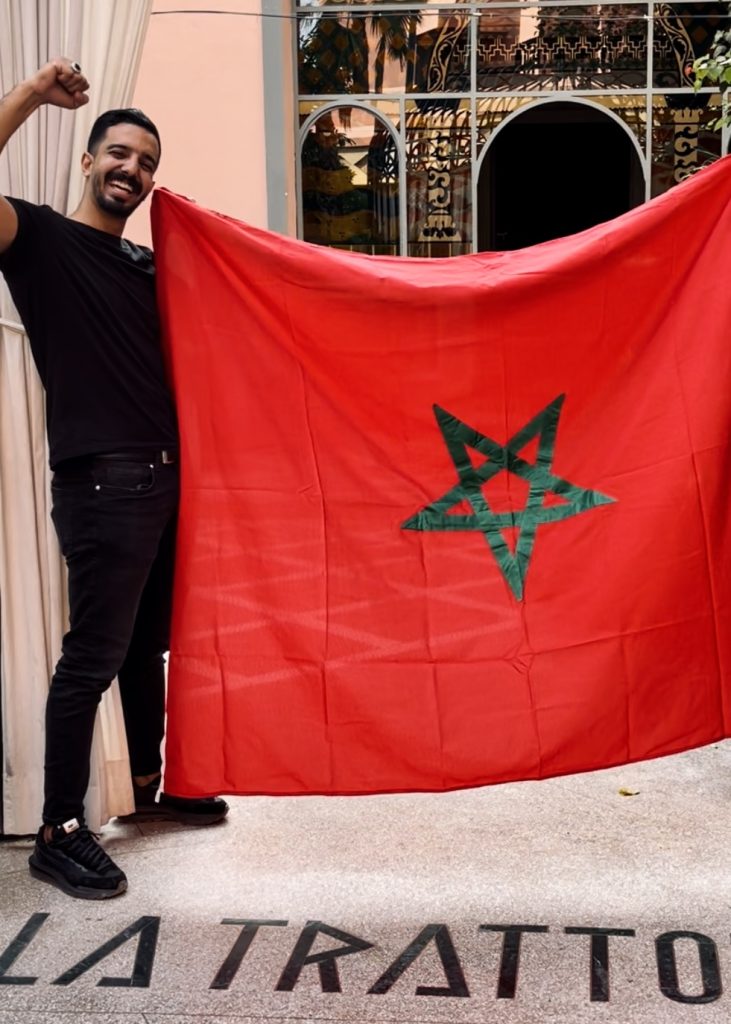
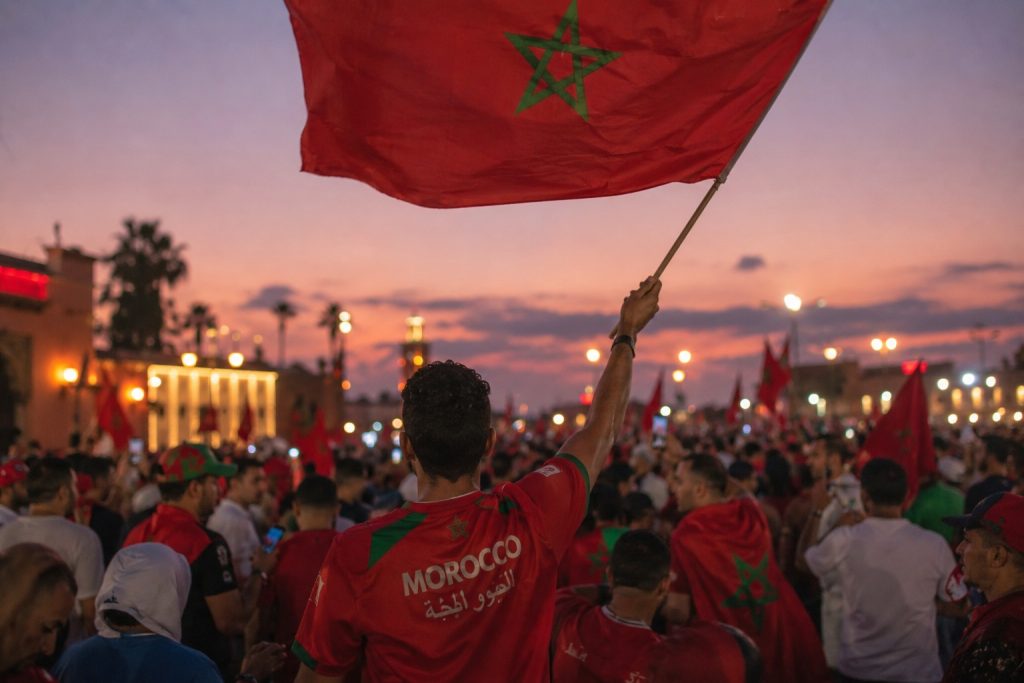
The red flags with the green star are not only seen on balconies. Across Morocco’s cities, they appear everywhere — on roundabouts, along main roads, at busy intersections and city entrances. They move constantly in the wind, creating a powerful and unmistakable presence in everyday life.
This constant visual reminder builds something deeper than decoration. It creates a shared sense of identity, pride and connection — not only to the country, but also to the national team that represents it on the world stage.
Football is not just a sport in Morocco. It is a feeling.
As the Atlas Lions continue their World Cup journey with an impressive draw against Brazil and a hard-fought victory over Scotland, excitement is growing across the country. One more group-stage match awaits, but the atmosphere already feels electric.
In Marrakech, you can feel it everywhere.
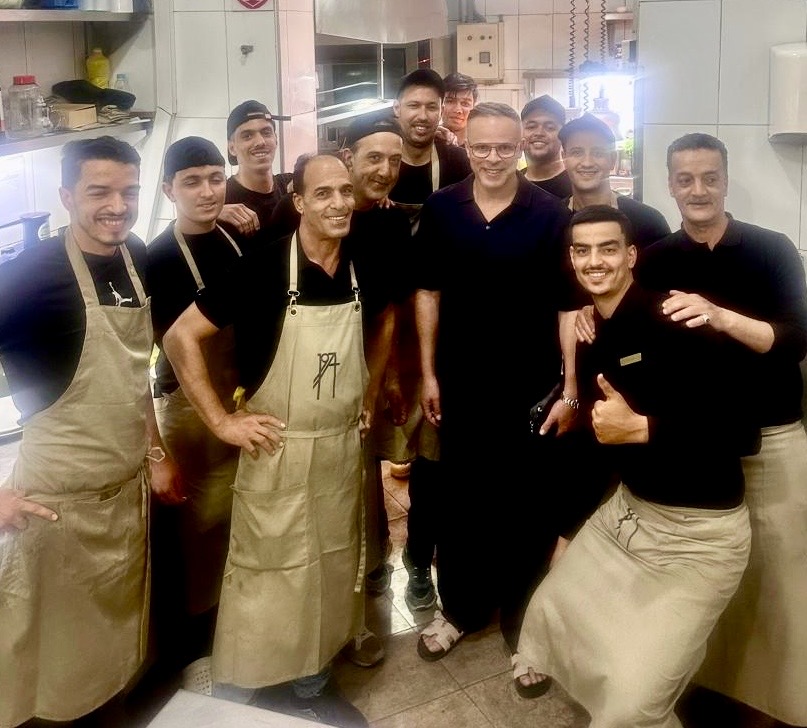
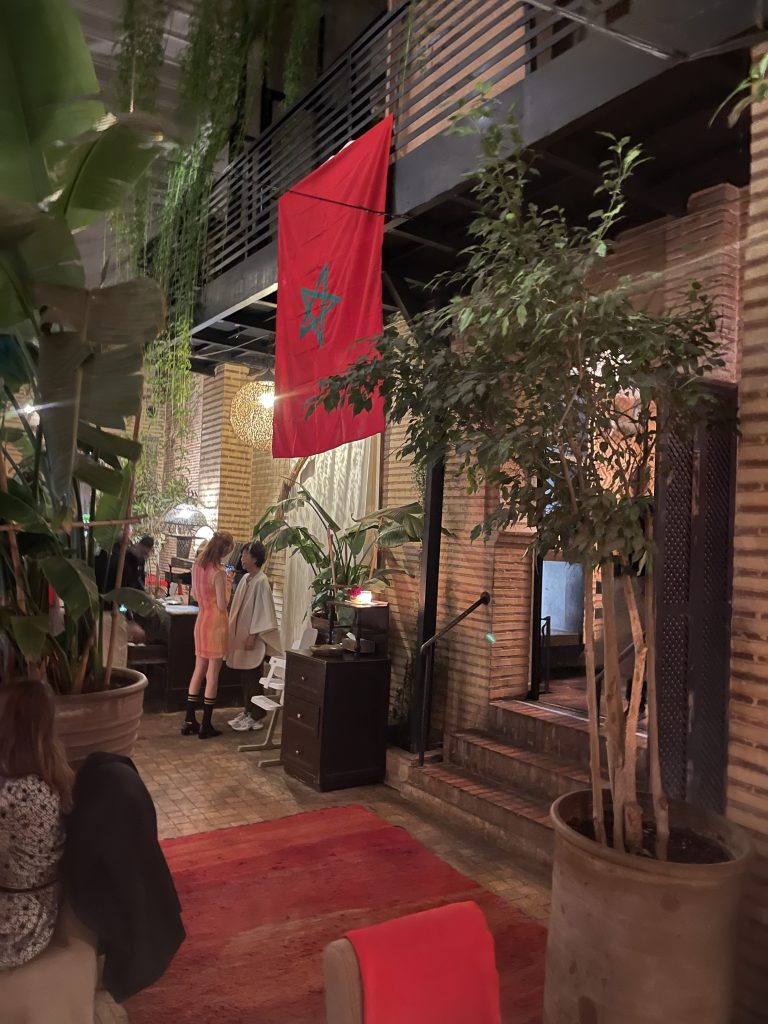
At La Trattoria, our entire team proudly wears the red jersey of the national team on match days. From the kitchen to the dining room, everyone follows the games, talks about the players and shares the excitement with guests from around the world. Football becomes a conversation between cultures, bringing together visitors from every continent around the same table.
What makes football special in Morocco is not only what happens on the pitch.
It is what happens around it.
For years, football has helped unite people across the country. Whether in Marrakech, Casablanca, Tangier, Agadir or in villages deep in the Atlas Mountains, millions of people sing the same anthem and support the same team. For a few hours, everyone shares the same dream.
The Atlas Lions have become a symbol of confidence, ambition and national pride. Their success has inspired an entire generation and helped showcase Morocco to the world in a new way.
Today’s heroes of Moroccan football
Today’s generation of Moroccan players has become a source of inspiration far beyond football. Names like Yassine Bounou (Bono), Achraf Hakimi and Brahim Díaz are known in every corner of the country. Children wear their shirts, imitate their celebrations and dream of following in their footsteps.
And now, a new generation is emerging. One of the most talked-about young players of this tournament is Ismael Saibari, who has been decisive in Morocco’s recent matches, scoring important goals and capturing the attention of fans across the country. His rise has become a symbol of how quickly dreams can turn into reality.
Behind every success story are years of discipline, hard work, sacrifice and perseverance.
We see it in our own lives, too.
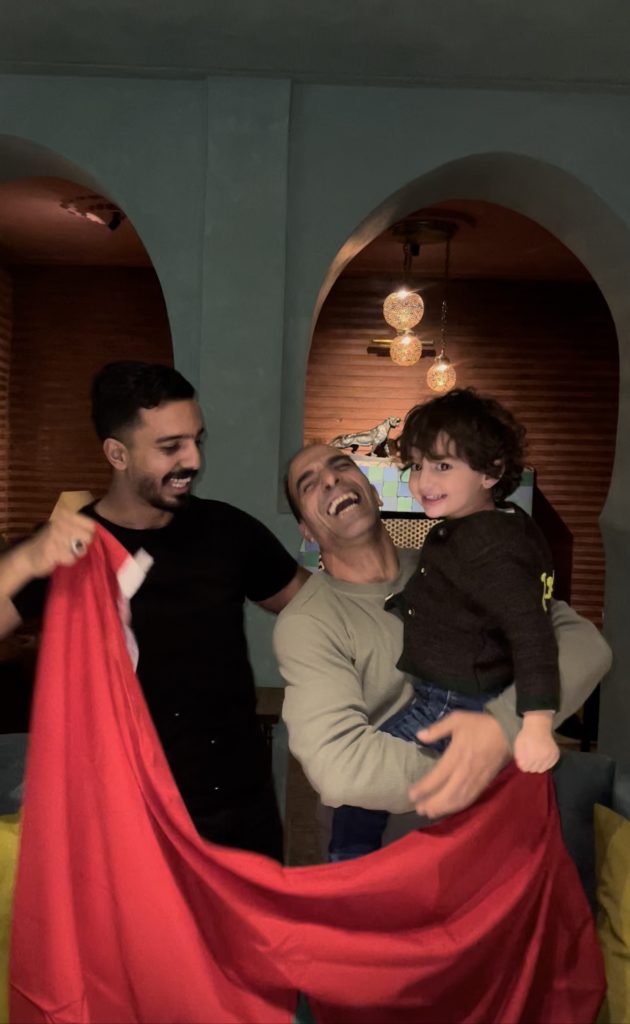
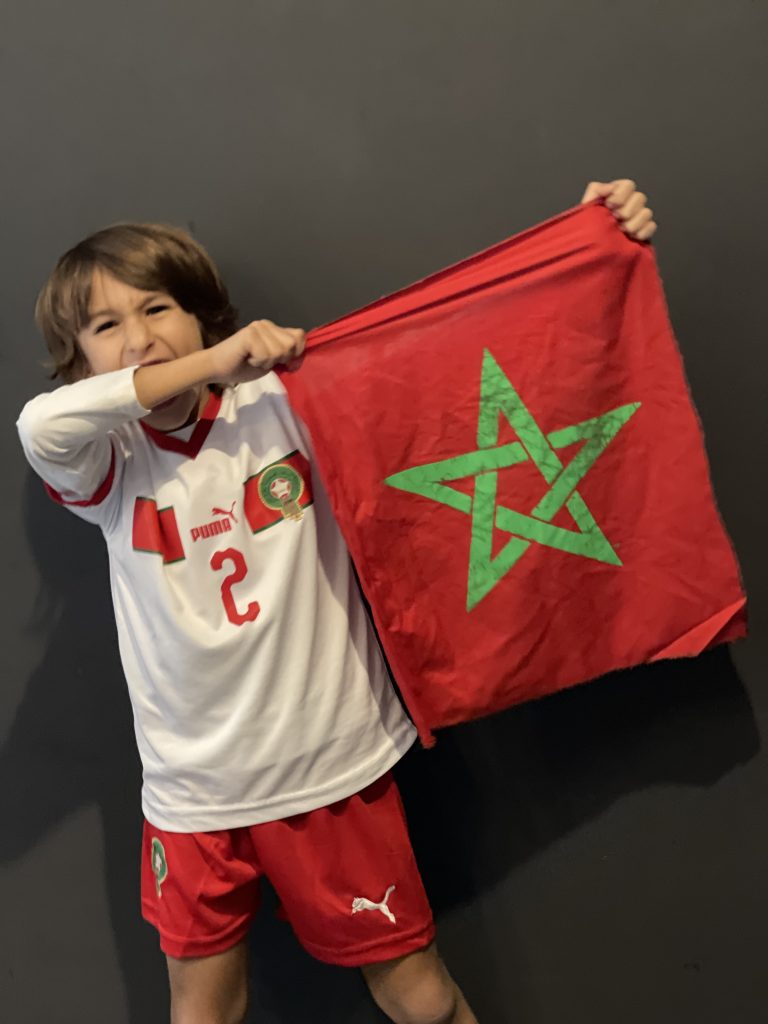
Like countless children across Morocco, our own boys follow every match, celebrate every goal and proudly wear the colors of the Atlas Lions. They know the names of the players by heart. They talk about Bono’s saves, Hakimi’s leadership, Brahim Díaz’s creativity and the rise of young talents like Saibari.
But what inspires them most is not fame.
It is the belief that anything is possible.
Football teaches lessons that reach far beyond the pitch: discipline, commitment, resilience and the courage to dream big. Across Morocco, a new generation is growing up with the conviction that with enough hard work and determination, no goal is out of reach.
That spirit can be felt everywhere today.
Not only in stadiums, not only during the World Cup, but in schools, neighbourhoods, football academies and family homes throughout the country.
It is a spirit of optimism.
A belief in the future.
And a reminder that sometimes the biggest victories begin with a dream.
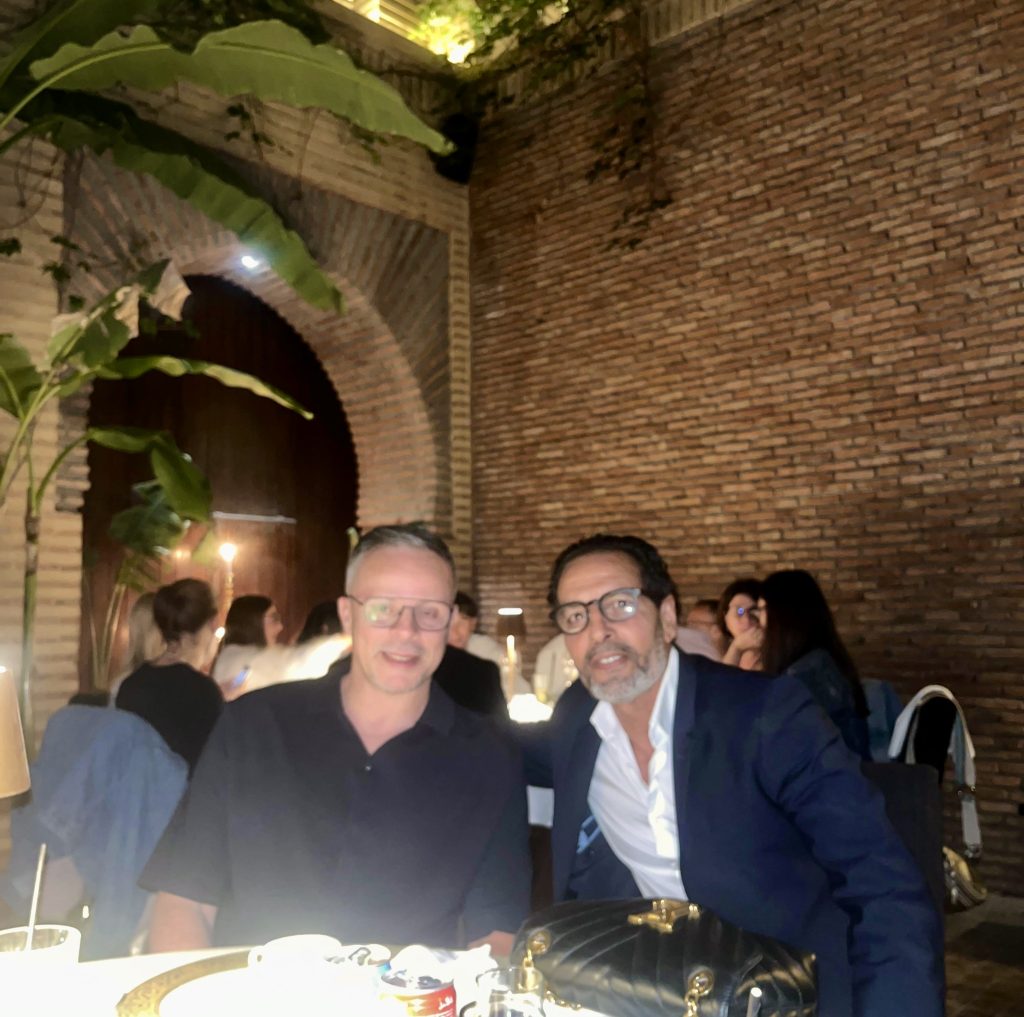
Shortly before the national team departed for the United States, Morocco’s head coach Mohamed Ouahbi quietly joined us for dinner in Marrakech at La Trattoria.
Moments like these simply reflect how closely football and everyday life are connected in this city, where players, coaches and visitors move naturally through the same spaces and share the same sense of welcome.
And that, more than anything, is what defines Marrakech.
Because if there is one thing Morocco does exceptionally well, it is bringing people together.
Every day in Marrakech, people from every corner of the world cross paths. Different languages, cultures, religions, traditions and generations meet naturally here. Around a table. In a garden. On a terrace. Over a shared meal. Over a simple conversation.
And somehow, it works.
Visitors often arrive expecting to discover a new destination. What many do not expect is the feeling they leave with.
Some come for a weekend. Others return year after year. Many visit Morocco for the first time and remain connected to it for the rest of their lives.
They remember the warmth.
They remember the hospitality.
They remember the feeling of being welcomed.
Perhaps that is why football feels so natural in Morocco.
Because at its heart, football is about belonging.
And so is Marrakech.
When the national team plays, differences seem to disappear. People celebrate together, suffer together and dream together. The same spirit can be felt every day in Marrakech, where people from completely different backgrounds somehow feel at home side by side.
As Morocco prepares to co-host the FIFA World Cup 2030 alongside Spain and Portugal, that spirit is becoming more important than ever.
Of course, there will be new stadiums, new infrastructure and millions of visitors arriving from around the globe. But Morocco’s greatest strength has never been concrete or steel.
It has always been its people.
The ability to welcome others.
The ability to make strangers feel at home.
The ability to create connections that last long after a journey has ended.
For centuries, Morocco has been a meeting place between continents, cultures and civilizations. In 2030, the world will experience that on an even greater scale.
And here in Marrakech, we are looking forward to it.
To welcoming guests from every corner of the globe.
To sharing meals, stories and unforgettable moments.
To bringing people together peacefully around the same table.
To celebrating not only football, but everything that football represents.
Because long after the final whistle, long after the trophies have been lifted and the stadiums have emptied, the thing people remember most is not the score.
It is how they felt.
And if there is one feeling we hope every visitor takes home from Morocco, it is this:
You belong here.


