Reserve your table online now!
Click the link below to book your experience at La Trattoria Marrakech.
We can’t wait to welcome you!

Author: kersavond

FLAGS EVERYWHERE 

Why Football Means More Than Football in Morocco

If you visit Morocco during the FIFA World Cup, you’ll quickly notice something remarkable: football is everywhere.

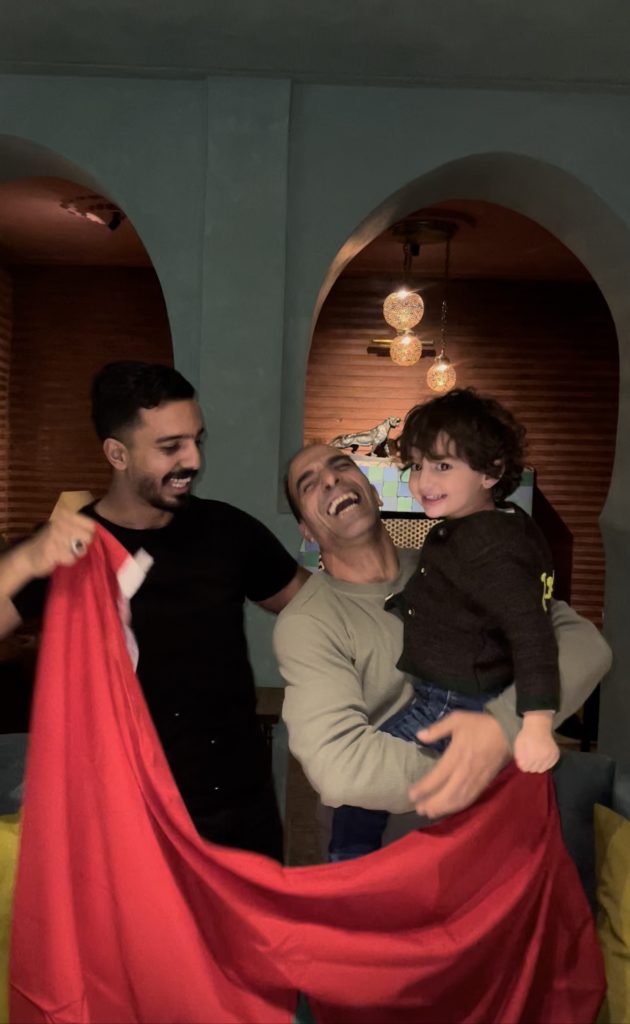
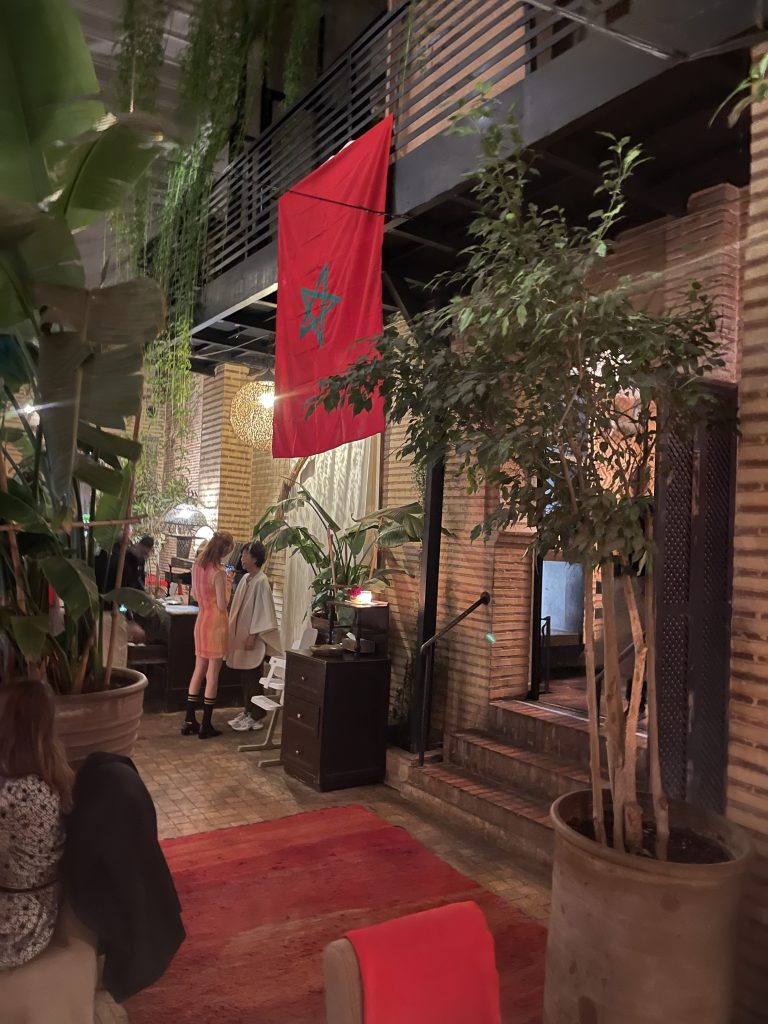
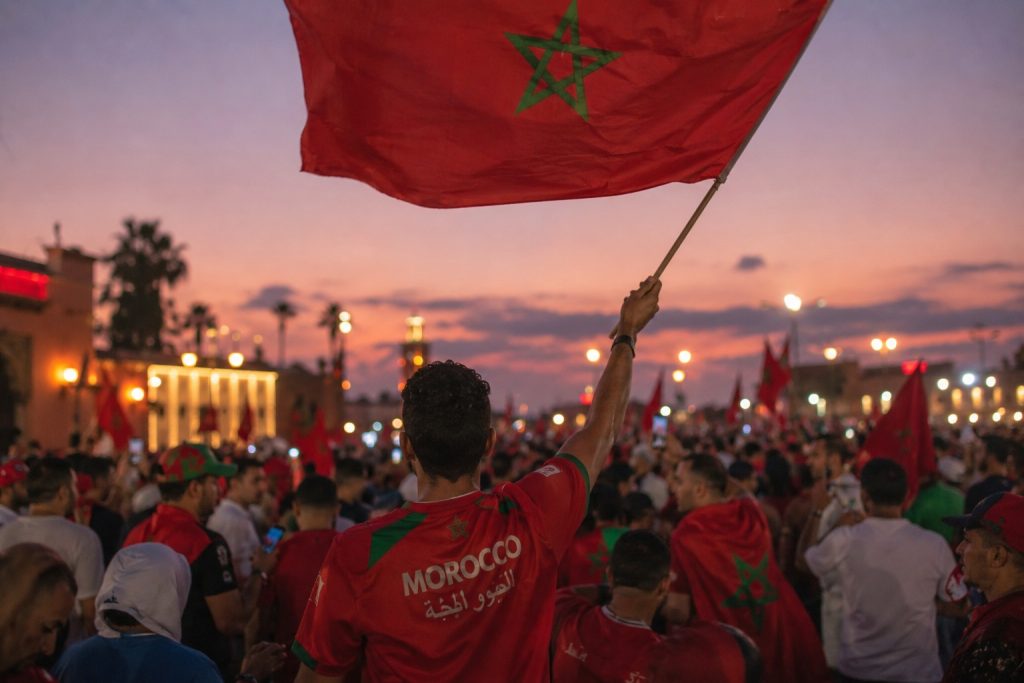
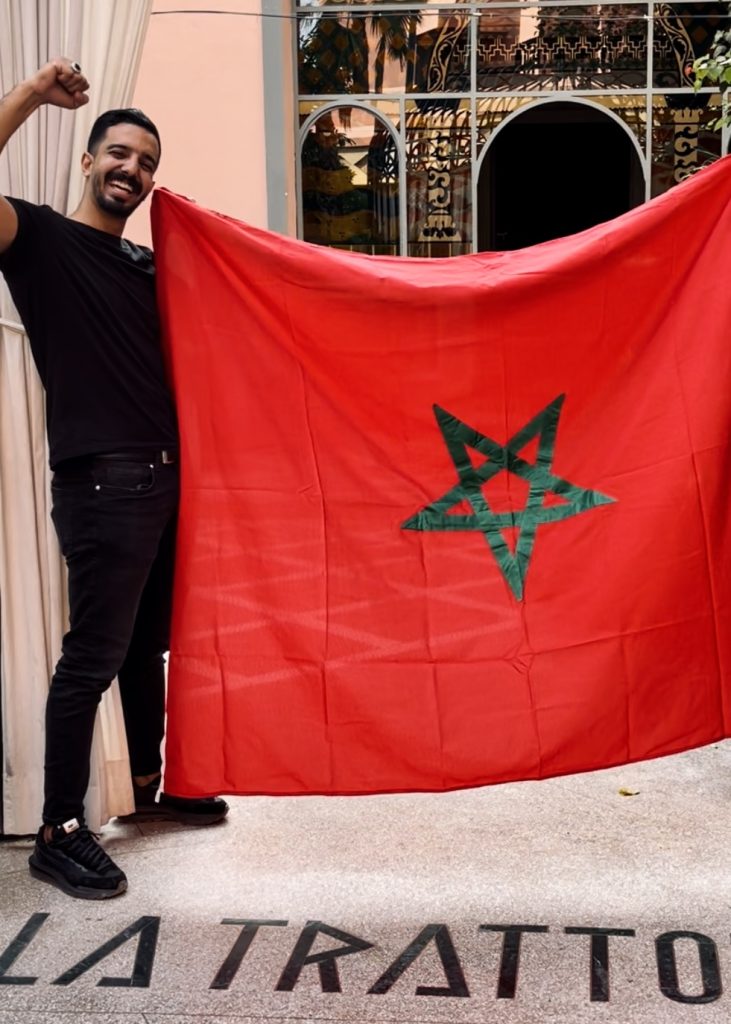
The red flags with the green star are not only seen on balconies. Across Morocco’s cities, they appear everywhere — on roundabouts, along main roads, at busy intersections and city entrances. They move constantly in the wind, creating a powerful and unmistakable presence in everyday life.

This constant visual reminder builds something deeper than decoration. It creates a shared sense of identity, pride and connection — not only to the country, but also to the national team that represents it on the world stage.

Football is not just a sport in Morocco. It is a feeling.

As the Atlas Lions continue their World Cup journey with an impressive draw against Brazil and a hard-fought victory over Scotland, excitement is growing across the country. One more group-stage match awaits, but the atmosphere already feels electric.

In Marrakech, you can feel it everywhere.

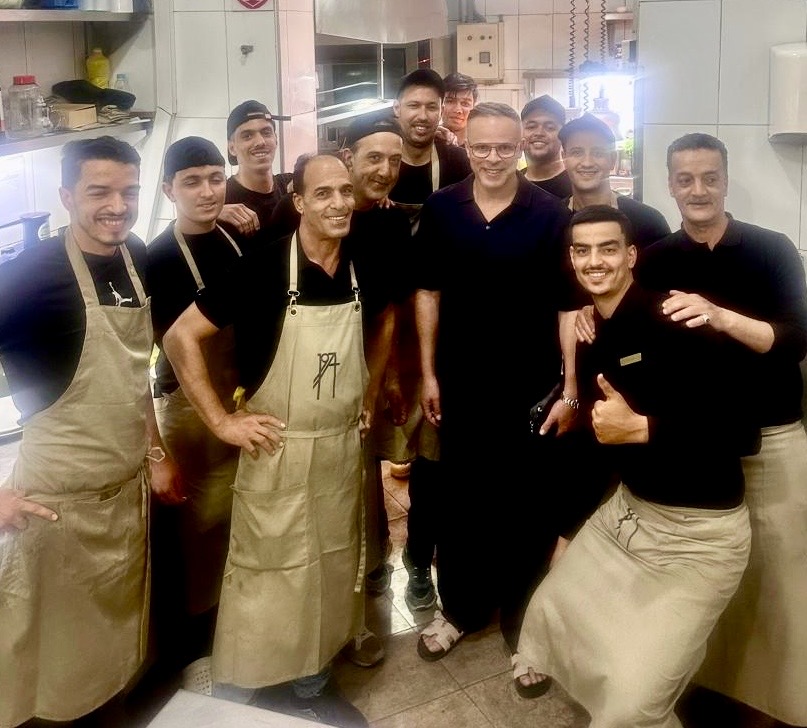
At La Trattoria, our entire team proudly wears the red jersey of the national team on match days. From the kitchen to the dining room, everyone follows the games, talks about the players and shares the excitement with guests from around the world. Football becomes a conversation between cultures, bringing together visitors from every continent around the same table.

What makes football special in Morocco is not only what happens on the pitch.

It is what happens around it.

For years, football has helped unite people across the country. Whether in Marrakech, Casablanca, Tangier, Agadir or in villages deep in the Atlas Mountains, millions of people sing the same anthem and support the same team. For a few hours, everyone shares the same dream.

The Atlas Lions have become a symbol of confidence, ambition and national pride. Their success has inspired an entire generation and helped showcase Morocco to the world in a new way.

Today’s heroes of Moroccan football

Today’s generation of Moroccan players has become a source of inspiration far beyond football. Names like Yassine Bounou (Bono), Achraf Hakimi and Brahim Díaz are known in every corner of the country. Children wear their shirts, imitate their celebrations and dream of following in their footsteps.

And now, a new generation is emerging. One of the most talked-about young players of this tournament is Ismael Saibari, who has been decisive in Morocco’s recent matches, scoring important goals and capturing the attention of fans across the country. His rise has become a symbol of how quickly dreams can turn into reality.

Behind every success story are years of discipline, hard work, sacrifice and perseverance.

We see it in our own lives, too.

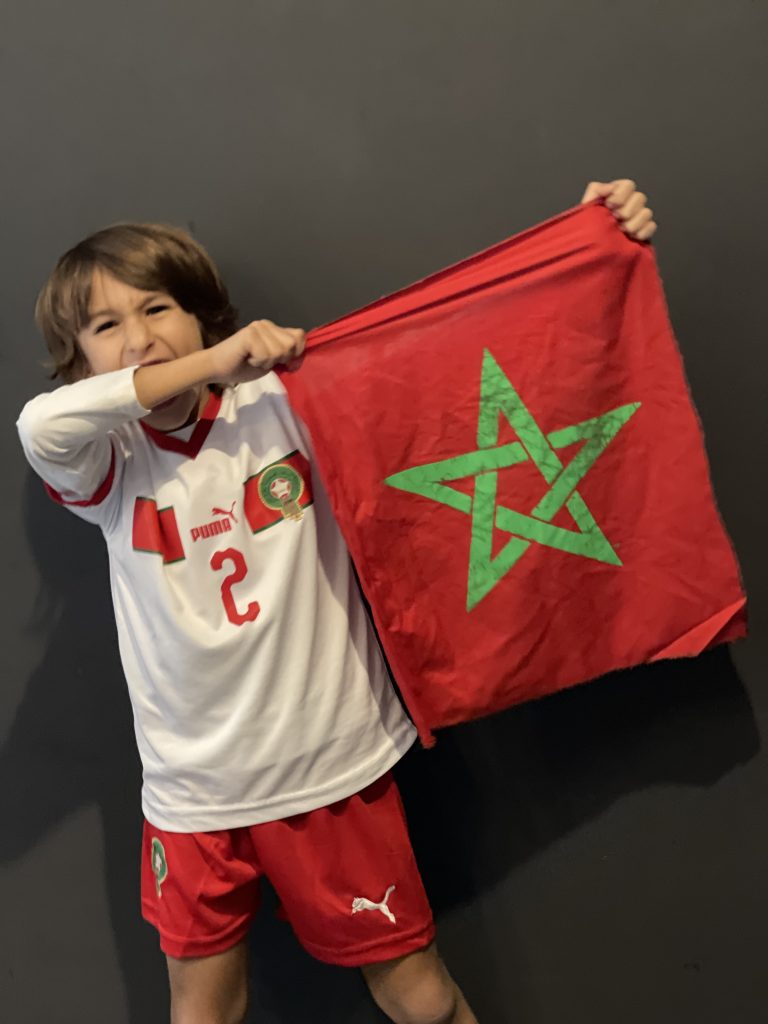
Like countless children across Morocco, our own boys follow every match, celebrate every goal and proudly wear the colors of the Atlas Lions. They know the names of the players by heart. They talk about Bono’s saves, Hakimi’s leadership, Brahim Díaz’s creativity and the rise of young talents like Saibari.

But what inspires them most is not fame.
It is the belief that anything is possible.

Football teaches lessons that reach far beyond the pitch: discipline, commitment, resilience and the courage to dream big. Across Morocco, a new generation is growing up with the conviction that with enough hard work and determination, no goal is out of reach.

That spirit can be felt everywhere today.

Not only in stadiums, not only during the World Cup, but in schools, neighbourhoods, football academies and family homes throughout the country.

It is a spirit of optimism.
A belief in the future.

And a reminder that sometimes the biggest victories begin with a dream.

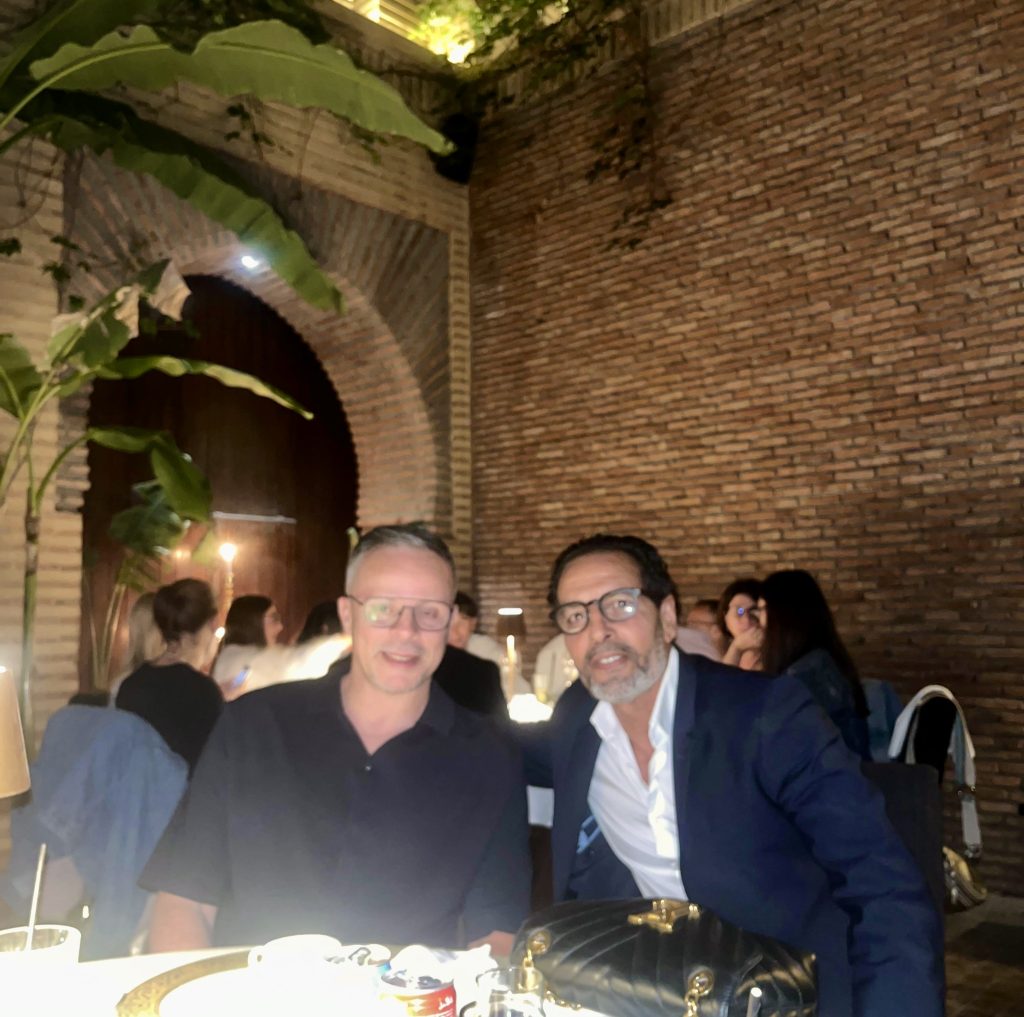
Shortly before the national team departed for the United States, Morocco’s head coach Mohamed Ouahbi quietly joined us for dinner in Marrakech at La Trattoria.

Moments like these simply reflect how closely football and everyday life are connected in this city, where players, coaches and visitors move naturally through the same spaces and share the same sense of welcome.

And that, more than anything, is what defines Marrakech.

Because if there is one thing Morocco does exceptionally well, it is bringing people together.

Every day in Marrakech, people from every corner of the world cross paths. Different languages, cultures, religions, traditions and generations meet naturally here. Around a table. In a garden. On a terrace. Over a shared meal. Over a simple conversation.

And somehow, it works.

Visitors often arrive expecting to discover a new destination. What many do not expect is the feeling they leave with.

Some come for a weekend. Others return year after year. Many visit Morocco for the first time and remain connected to it for the rest of their lives.

They remember the warmth.

They remember the hospitality.

They remember the feeling of being welcomed.

Perhaps that is why football feels so natural in Morocco.

Because at its heart, football is about belonging.

And so is Marrakech.

When the national team plays, differences seem to disappear. People celebrate together, suffer together and dream together. The same spirit can be felt every day in Marrakech, where people from completely different backgrounds somehow feel at home side by side.

As Morocco prepares to co-host the FIFA World Cup 2030 alongside Spain and Portugal, that spirit is becoming more important than ever.

Of course, there will be new stadiums, new infrastructure and millions of visitors arriving from around the globe. But Morocco’s greatest strength has never been concrete or steel.

It has always been its people.

The ability to welcome others.

The ability to make strangers feel at home.

The ability to create connections that last long after a journey has ended.

For centuries, Morocco has been a meeting place between continents, cultures and civilizations. In 2030, the world will experience that on an even greater scale.

And here in Marrakech, we are looking forward to it.

To welcoming guests from every corner of the globe.

To sharing meals, stories and unforgettable moments.

To bringing people together peacefully around the same table. 

To celebrating not only football, but everything that football represents.

Because long after the final whistle, long after the trophies have been lifted and the stadiums have emptied, the thing people remember most is not the score.

It is how they felt.

And if there is one feeling we hope every visitor takes home from Morocco, it is this:

You belong here.

La Trattoria Marrakech: 50 Years of Italian Soul in the Heart of Marrakech

There is something timeless about a plate of pasta.

The simple pleasure of gathering around a table, sharing stories, laughing with friends, and savoring dishes prepared with care has always been at the heart of Italian culture. It is also the spirit that has defined La Trattoria Marrakech for more than five decades.

For more than fifty years, guests have come here not only to eat, but to celebrate life’s simple pleasures: good food, good company, and moments shared around the table. It is a tradition deeply rooted in Italian culture and one that continues to define the experience at La Trattoria today.

Why Italian? A Story That Began in 1974

When La Trattoria first opened its doors in 1974, Marrakech was a very different city. The restaurant was established inside a beautiful Art Deco villa in the heart of Gueliz, the city’s historic new town.

Originally opened by Prince Ruspoli, the restaurant was soon entrusted to Giancarlo Terzolli, who arrived from Rome with a vision: to create an authentic Italian restaurant unlike anything Marrakech had seen before.

Arriving in Marrakech during the free-spirited energy of the 1970s, Giancarlo brought with him the flavors and traditions of his native Rome. His vision went beyond opening a restaurant; he wanted to share a way of life inspired by the Italian table, where food, conversation, family, and friendship come together.

More than fifty years later, that philosophy still defines La Trattoria. While the cuisine has naturally embraced the richness of the Mediterranean, its soul remains unmistakably Italian, celebrating homemade pasta, fresh seafood, carefully sourced fish and meats, and the simple pleasure of dining well.

At the time, both the kitchen and dining rooms occupied the villa itself, which had previously been a private residence. Long before international dining became common in Morocco, La Trattoria introduced generations of guests to the warmth of Italian hospitality and Mediterranean flavors.

More Than a Restaurant: A Marrakech Institution

Over the decades, La Trattoria became much more than a restaurant. Giancarlo was a close friend of renowned architect Bill Willis and moved within the same creative circles as Yves Saint Laurent and Pierre Bergé. Together with the unique atmosphere of the villa, this helped make La Trattoria a gathering place for artists, designers, travelers, and personalities from around the world.

Today, the restaurant remains one of Marrakech’s most enduring institutions, where history, hospitality, and timeless elegance continue to meet.

A Legacy Passed On

Mohamed has been part of La Trattoria’s story for more than four decades. Having witnessed its evolution from the very beginning, he carries forward the values, traditions, and spirit that have shaped the restaurant since 1974.

Following Giancarlo’s passing, Mohammed took over La Trattoria, ensuring that its Italian heritage, warm hospitality, and passion for great food would continue for future generations.

Italian at Heart, Mediterranean by Nature

Guests sometimes arrive expecting pizza.

They are often surprised to discover that La Trattoria has never been a pizzeria.

From the very beginning, the focus has been elsewhere: authentic pasta, fresh seafood, quality meats, seasonal ingredients, and the generous flavors of the Mediterranean.

The menu reflects a broader Mediterranean identity while remaining deeply rooted in Italian culinary traditions. Handmade pasta, seafood specialties, grilled fish, meat dishes, and timeless classics continue to define the experience.

This philosophy has never followed trends. Instead, it has remained faithful to the original vision established more than fifty years ago.

Dining by the Pool in Marrakech

Today, guests from around the world discover La Trattoria while searching for an authentic Italian restaurant in Marrakech, a romantic dinner by the pool, fresh pasta in Gueliz, Mediterranean cuisine, seafood specialties, or simply one of the city’s most iconic dining experiences.

What they find is something far rarer than a trend-driven restaurant.

Hidden behind the walls of a historic Art Deco villa lies a lush garden, a swimming pool framed by banana trees, and a restaurant where generations of locals, travelers, and food lovers have gathered for more than fifty years.

Whether for a leisurely lunch, a romantic evening, a family celebration, or a memorable dinner with friends, La Trattoria continues to offer a unique combination of Italian hospitality, Mediterranean flavors, and timeless Marrakech charm.

Fifty Years of Stories, One Table at a Time

At La Trattoria Marrakech, every plate of pasta, every dinner by the pool, and every gathering of friends becomes part of a story that began in 1974 and continues today.

Because beyond the architecture, the garden, and the history, La Trattoria has always been about one simple idea: bringing people together around good food, generous hospitality, and unforgettable moments.

More than fifty years later, the spirit remains unchanged.

Italian by heritage, Marrakech by heart, La Trattoria continues to celebrate the art of la dolce vita in one of the city’s most iconic settings — proving that some traditions are simply timeless.

A Different Side of Marrakech: The Story Behind the Gates of La Trattoria

On Rue Mohammed El Beqal, in the heart of Guéliz, Marrakech unfolds in all its energy.

A yellow taxi slows down at the curb. A family passes by on a scooter. Friends meet for coffee. Shoppers move between boutiques and galleries. Delivery bikes, pedestrians, sidecars, horse-drawn carriages and cars all share the same rhythm of the city.

This is modern Guéliz — vibrant, creative, and constantly evolving.

And then, between the buildings, something unexpected appears.

Behind the gates of La Trattoria Marrakech stands one of the last remaining historic villas of the neighborhood, surrounded by a garden that has survived while much of the city around it has transformed.

Guéliz was originally developed during the early twentieth century as Marrakech’s modern district, known for its elegant villas, gardens, cafés, and Art Deco architecture. Over the decades, many of these private residences disappeared, replaced by larger apartment and commercial buildings as the city continued to grow.

Today, only a handful remain.

At La Trattoria, preserving this property has never simply been about maintaining a restaurant. It is about protecting a small piece of Marrakech’s architectural and cultural memory.

From the street, the contrast is striking.

Towering buildings rise on both sides, while the villa remains quietly set back behind palms and greenery, almost hidden from view. It feels like a window into another era — a reminder of a slower, more elegant Marrakech that once defined the character of Guéliz.

This sense of preservation is part of what makes the place unique.

Not because it seeks to recreate the past, but because it continues to live within it.

Guests arrive in every possible way. Some walk through the neighborhood’s wide sidewalks after exploring its galleries and shops. Others arrive by taxi, by bicycle, by scooter, by horse carriage, or by car, welcomed at the entrance before stepping into an entirely different atmosphere.

Beyond the gates, the noise of the city softens.

The garden opens up, shaded by mature trees and palms. Hidden deeper within the property, tables surround the pool, creating a setting that feels remarkably distant from the busy streets just outside.

Many visitors discover that this is one of the pleasures of Guéliz itself.

While the Medina reveals Marrakech’s oldest history, Guéliz tells another story — one of artists, designers, cafés, bakeries, galleries, independent boutiques, and everyday life. It is a neighborhood best explored slowly, with time to wander and observe.

La Trattoria has been part of that story for more than fifty years.

Long before Guéliz became the bustling district it is today, the villa stood here. Through decades of change, it has remained a gathering place, adapting to the city while preserving the spirit that makes it special.

Perhaps that is the true magic of La Trattoria Marrakech.

Not only the restaurant, the garden, or the pool.

But the feeling of discovering that, in the middle of a fast-moving city, some places still know how to hold on to time.